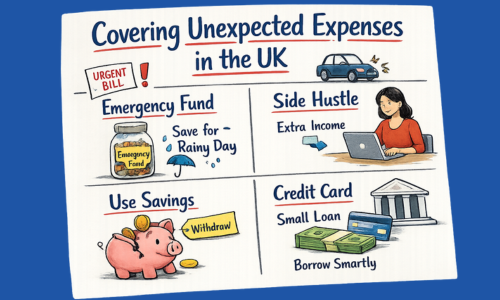
You fractured your hand, and now you need urgent cash for treatment. You spent all the savings from the last month on buying your son the cricket kit. How would you tackle the current expense? You can get help from a family member, utilise dividends and investments to cover the costs.
But not everyone invests money. According to the recent data from Wecovr. “ 1 in 3 households has below £500 in savings. Moreover, 13% have no savings at all.” In that case, you may need to look out for other ways to cover unexpected expenses. The blog discusses the best ways to counter the accidental needs immediately. It could be a good read if you lack even an emergency fund.
KEY TAKEAWAYS:
- 1 in 3 people have less than £500 in savings in the UK
- Always analyse the ability to repay before tapping into instant loans
- Check other ways to fund emergencies before checking loans
- Invest in an emergency fund to counter unplanned expenses.
Can you get free money from the government to cover emergencies?
Yes, you may get help from the government in the form of non-repayable money and vouchers.
You can get help from your local council, help with water and energy bills and interest-free loans from the government. It is especially possible for individuals living in England. Determine which benefits and grants you may qualify for using the benefits calculator.
It may help you know the benefits you may qualify for, given your financial circumstances and income. However, not everyone may get help from the government, as you need to meet the eligibility criteria. In that case, you can explore loans for unexpected expenses to finance urgent cash needs. The popular options are- payday loans, text loans, doorstep loans, etc.
How does having an emergency fund help in financial emergencies?
An emergency fund acts as a cash buffer to counter situations like unemployment, business loss and unexpected financial expenses. You can use it to clear medical bills, home repairs, and job-related expenses without relying on other high-cost financial aspects like loans and credit cards.
It prevents one from tapping assets or long-term investments to cover basic expenses. Moreover, with basic expenses like food rising by 4.2% in November 2025 compared to November 2024, it has become essential to save for essentials.
You generally need to have about 6 months of savings in the emergency fund. You can also calculate the amount you should save by using an emergency fund calculator.
For example, if your monthly expenses are £15000 and you have saved £10000 already, you need to have an emergency fund of £45000.
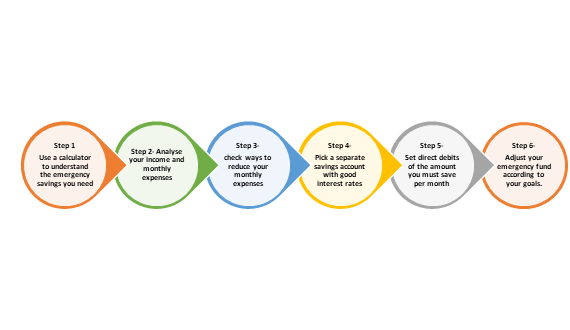
Similarly, you can follow the following steps to create an emergency fund in the UK:
Step 1- Use a calculator to understand the emergency savings you need
Step 2- Analyse your income and monthly expenses
Step 3- check ways to reduce your monthly expenses
Step 4- Pick a separate savings account with good interest rates
Step 5- Set direct debits of the amount you must save per month
Step 6- Adjust your emergency fund according to your goals.
5 more ways to counter emergency expenses in the UK
Apart from an emergency fund and government help, you can meet the emergency expenses in other ways, too. Here are some aspects to try:
1. Take help from family
According to the Research by Ipsos, “11.5 million individuals have borrowed from someone close in the family in 2025.” Borrowing money from family grants you the privilege of fetching less strict terms and repayment policies. You can even negotiate the amount you can repay according to your bond and your financial circumstances.
Check whether you may get help from one of your family members to pay for the essentials. It would be good if they have an active bank account and an online payment facility. It may help you meet the requirements quickly.
2. Tap payday loans for small emergencies
If you face any critical cash needs before you get your salary, payday loans may help. It helps you get 5000 pounds instantly into your account without much documentation. It is an easy way to counter the need for someone with a consistent income.
You can repay the dues in a lump sum ( generally) or can spread out the loan payments in easy instalments. The interest rates on these loans are high, given the ease of loan application, with no guarantor or collateral requirements. Just make sure to check the APR you may get depending on your income and finances.
3. Check doorstep loans for home needs
If you need cash at your door, doorstep loans may help. In this, the loan provider’s representative lands at your door to provide the loan. You may get £500-£1500 on doorstep loans with us at Cashloans2go. However, you may even get up to £3000 depending on your credibility, loan affordability and needs.
The interest rates on these loans may remain high (48%-1721% APR) due to the ease of getting the cash at home with no bank account requirement. You can borrow less and repay it on time to reduce the interest costs.
4. Use same-day loans for instant cash
Getting the loan on the very day is no longer a dream. You can get the loan on the very day you apply for one online. Same-day loans provide the opportunity to tackle the immediate financial concern without panic.
You may get the loan according to the amount you can fairly repay. It could be a secured or unsecured loan, depending on your cash needs and finances. You may get £1000-£50000 for your needs.
5. Bad credit loans for urgent needs
Getting a loan with a pending CCJ, bankruptcy status, or missed payments is tricky. That’s where a bad credit loan proves helpful. You may get one despite a chequered credit profile. Always check the interest and APR of the loan before applying. It may increase the overall dues to pay. Similarly, analyse the hidden fees on the loan.
For example, if you are self-employed with an annual income of £10,500-£20000, you may get a bad credit loan instantly.
Bottom line
These are some ways to cover financial emergencies in the UK. Identify the best ones by comparing your options and checking the liabilities. Generally, personal loans are more affordable than credit cards to cover emergencies.
You can also ask your neighbours, friends, and family for cash help. Check your emergency fund savings and tap loans if you lack any. Precisely, try to meet the needs in the most budget-savvy and responsible way.

Hi everyone, I am Lukas Thomas. I am a professional writer and author with having specialisation in the UK financial sector. I have more than 13 years of experience as the financial writer and hope it will continue longer. I have done my post-graduation in Masters of Business Administration (MBA) in Finance. Currently, I am performing my responsibility as a Senior Loan Expert in CashLoans2go, which is the fastest-growing online direct lending company. My job is to prepare borrower-friendly loan deals as per the company’s guidelines. I also write research-based blogs for the company’s official website. You can read them and gain knowledge on any loan product.